
Six in ten Irish adults use cosmetics beyond their expiry or recommended shelf life
03/12/2025 Press release Public health updateHPRA urges public to follow shelf-life guidance and use products safely
New HPRA research published today reveals that the majority of Irish adults continue to use cosmetic products beyond their expiry date or recommended shelf life. According to its national survey, six in 10 (60%) people are willing to disregard expiry dates or the ‘open jar’ symbol – an oversight that may pose health risks. The findings also highlight a significant gap in consumer understanding of cosmetic product labelling, with just four in 10 (41%) aware of the ‘open jar’ symbol. This symbol indicates the timeframe after opening during which the product remains safe to use. After this time, it may begin to degrade and pose a risk to consumers. The HPRA warns that using expired cosmetics can reduce their effectiveness and, in some cases, increase the risk of irritation or other adverse reactions.
"Cosmetics are a staple in many people’s daily routines with half of adults (49%) using four or more products each day. When used as intended, cosmetics are generally very safe,” said Lisa Byrne, Cosmetic Product Manager at HPRA. “However, our research reveals a clear gap in consumer understanding and awareness on product shelf-life – and a tendency to overlook expiry guidance”.
The research also found:
- More than a quarter (28%) of respondents have purchased what they suspected were counterfeit cosmetics. Of these, four in ten made their purchase online.
- Over one in three (35%) Irish adults reported experiencing a side effect from cosmetic products, most commonly skin irritation or rashes.
- Reports of side effects increased to 41% among those willing to use cosmetic products beyond expiry and use by dates, and to 54% among those who may have purchased counterfeit products.
- Consumers were far more likely to ‘always’ review instructions (37%) and ingredients (30%) on labels than to check period after opening / best-before dates (23%).
- When deciding which cosmetic products to purchase, value for money was the most important factor (32%), followed by the product’s benefits (15%) and brand (15%).
Ms Byrne states that using products beyond their recommended use period can compromise both quality and safety.
“Ingredients can degrade or become contaminated, especially if exposed to light, air and bacteria. This can lead to chemical changes or the growth of harmful microbes, which may make the product unsafe for use. For example, over time the active ingredients in sunscreen, UV filters, may lose potency or efficacy, reducing its effectiveness to protect our skin from sun damage. We urge consumers to pay close attention to expiry dates and the ‘open jar’ symbol on all cosmetic labels, and to responsibly discard products that have exceeded their safe-use period.”
While one in three respondents say they have experienced a suspected side effect when using a cosmetic, our research shows this is more likely to happen among those who purchased cosmetics from unverified or unreputable sources and among those who do not engage with the expiry or use by date. By following a few simple steps - such as checking expiry dates, noting the ‘open jar’ symbol, and sourcing products responsibly - consumers can reduce the risk of undesirable effects, safeguard their health, and ensure their cosmetics perform as intended,” Ms Byrne added.
HPRA tips for safer use of cosmetics
- Do not use a cosmetic product beyond its recommended usage period or expiry date. The label on most products will feature either an ‘open jar’ symbol or a ‘best before’ date (known as a date of minimum durability).
- To help track the safe-use period, write the date of opening directly on the product label, making it easier to follow the timeframe indicated by the ‘open jar’ symbol.
- Follow the instructions on the label carefully.
- Ensure that the product is labelled with a European address. This means there is a company in Europe responsible for ensuring it complies with quality and safety requirements.
- Only purchase cosmetics from reputable, trusted outlets. Products sold via unknown platforms or through unofficial channels may not meet safety standards or comply with EU regulations.
- If you experience a serious reaction, report it directly to the HPRA at hpra.ie/report
The HPRA has a regulatory role in relation to the sale and supply of cosmetics in Ireland. This includes investigating non-compliance with EU regulations and monitoring reported undesirable effects and adverse reactions to products. To protect consumer health, it monitors the market in collaboration with the HSE’s National Environmental Health Service to identify and address safety and quality issues, undertaking investigations as appropriate when there are product safety concerns. Consumer reports of serious undesirable effects associated with cosmetic products play a vital role in helping the HPRA identify potential public health and safety concerns.
The HPRA commissioned this research to benchmark consumer understanding and behaviours in relation to cosmetic product use.
ENDS
For further information
Káno Communications Tel: (01) 679 8600
Sinéad Brassil / Eoghan Dowling (086) 057 9298 / (083) 450 5356
Notes to editor
A total sample of 1,000 people was surveyed with quotas set on the number of interviews achieved in each demographic grouping (age, gender, region and social class) to ensure it matched the Irish population. This study was carried out by Coyne Research on behalf of the HPRA. All fieldwork was conducted in August 2025.
A "cosmetic" is any product used to clean, protect, perfume, keep in good condition and change the appearance of skin, hair, nails or teeth. Cosmetics include beauty preparations (make-up, perfume, skin cream, nail polish), grooming aids (soap, shampoo, shaving cream, deodorant, toothpaste) and skincare products (moisturisers, serums and suncreams).
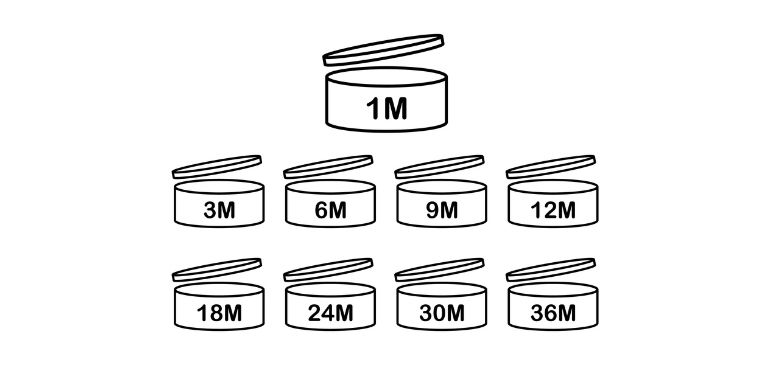
The 'open jar' symbol indicates the timeframe after opening during which the product remains safe to use.