
How to use sunscreen safely
Sunscreen products are cosmetic products that have an important protective function against ultraviolet (UV) radiation. There are two types of UV radiation, UVB and UVA.
What is the difference between UVB and UVA radiation?
UVB radiation causes the skin to darken in colour, or in some instances, causes it to burn. UVA penetrates the skin further than UVB causing skin aging. This can lead to wrinkles and pigmentation.
Both forms of UV radiation have the potential to cause cancer. It is important consumers use broad spectrum sunscreen to protect the skin from potentially harmful UV rays.
All sunscreen products sold in Ireland must meet the strict safety assessment and labelling requirements of the EU Cosmetic Regulation 1223/2009.
A sunscreen which claims UVA protection must meet specific standards set by the EU.
If a sunscreen meets the EU recommended minimum standard for UVA protection, it will display the UVA logo like the one shown below on its label. It is advised that the consumer checks for this logo when buying sunscreen.
What does SPF mean?
SPF or 'sun protection factor' tells you how well a product can protect your skin from UVB rays that cause sunburn. There are many products on the market which vary in their SPF ratings.
Sunscreen should be worn every day, particularly when outside for a prolonged period of time, to protect from daily exposure to UV radiation. It is important to remember that there is no SPF that will fully block all UVB rays.
Many sunscreen labels also show the category of sun protection:
- Low (SPF 6 & 10)
- Medium (SPF 15, 20 & 25)
- High (SPF 30 & 50)
- Very high (SPF 50+)
Some helpful tips on reading your sunscreen label
- Always check the label to make sure that the product has the right amount of sun protection needed for your skin type.
- Apply the right amount of sunscreen to get the protection claimed on the label. Follow the instructions on the label carefully, limit sun exposure and reapply regularly.
- Always follow the storage conditions labelled on the pack.
- Do not use sunscreen beyond its recommended usage period or expiry date. This may be indicated by an ‘open jar’ symbol or a ‘best before’ date.
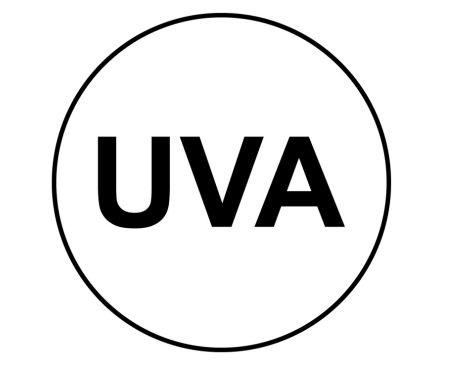
UVA symbol
If a sunscreen product contains the EU recommended minimum level of UVA protection, it will be labelled with the above UVA logo.
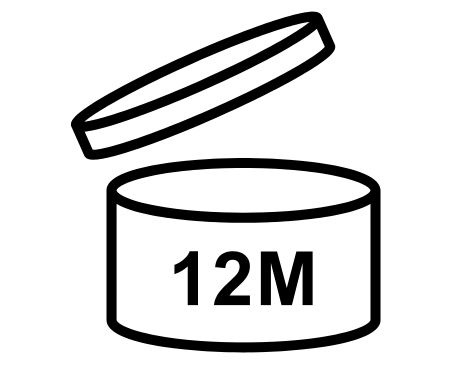
Open jar symbol
The open jar symbol on the packaging of sunscreens indicates the maximum time that the product is safe to use once opened. For example, if '12M' is on the symbol then this indicates the product is safe to use for 12 months after opening.
Use by dates on sunscreen
The 'open jar' symbol indicates the timeframe after opening during which the product remains safe and effective to use. Using any cosmetic product, particularly sunscreen, beyond the period after opening (PAO) is not advised as over time the active ingredients in sunscreen, UV filters, may lose potency or efficacy, reducing its effectiveness to protect our skin from sun damage.
If a sunscreen has been opened the previous year and still within the timeline of the open jar symbol, it should be checked to make sure it has not separated, or changed texture, smell before using.
How to store your sunscreen
Sunscreens should be stored in a cool dry place away from direct sunlight or as detailed on the label of the product.
What to look for when buying sunscreens
- Only purchase sunscreen from reputable, trusted outlets. Products sold through unofficial channels may not meet safety standards or comply with EU regulations. Check for a European address on the label.
- Always look for a product with broad‑spectrum protection, including both SPF and UVA protection, and choose a level appropriate for your skin type.
For further information on protection from sun exposure, please visit HSE's SunSmart information.